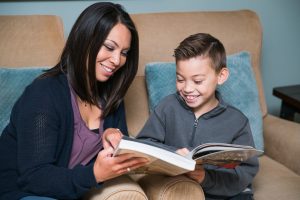
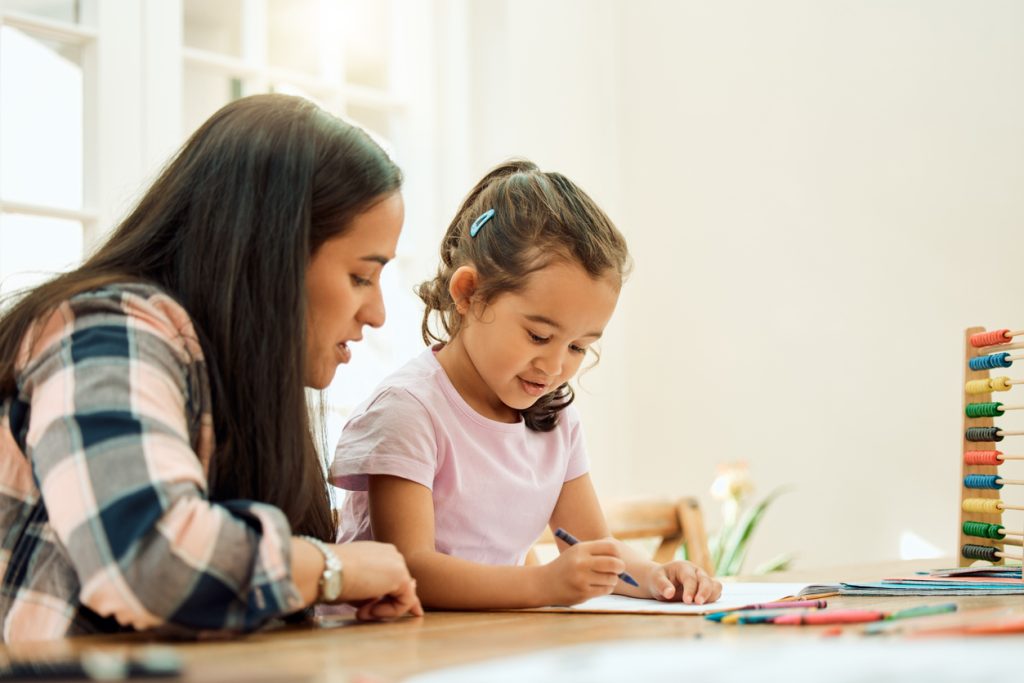
Every child is unique, and so is their way of learning. As a homeschooling parent, understanding your child’s learning style is key to making education more enjoyable, effective, and tailored to their needs. By recognizing and adapting to their strengths, you can create an enriching learning environment that maximizes their potential.
What Are Learning Styles?
Learning styles refer to the preferred way in which a person processes and absorbs information. While every learner is a mix of different styles, most tend to have one dominant learning preference. Understanding these preferences can help you design lessons that align with your child’s natural tendencies, making learning more intuitive and engaging.
There are several learning style models, but one of the most widely recognized divides learners into three primary categories: Visual, Auditory, and Kinesthetic. Let’s explore these and how you can adapt your teaching methods to match each style.
1. Visual Learners
Characteristics:
Visual learners grasp concepts better through images, diagrams, charts, and other visual aids. They often think in pictures and can recall information more easily when it is presented visually.
Signs Your Child Is a Visual Learner:
- Prefers reading over listening
- Easily recalls images or diagrams from memory
- Enjoys drawing, doodling, or organizing information in lists
How to Teach Visual Learners:
- Use visual aids like charts, diagrams, mind maps, and infographics.
- Encourage your child to highlight or color-code important information in textbooks or notes.
- Use videos or documentaries to explain complex concepts.
- Create flashcards for subjects like vocabulary or math formulas.
- Incorporate art or graphic design projects into their learning activities to help them express what they’ve learned.
2. Auditory Learners
Characteristics:
Auditory learners prefer to hear information spoken aloud. They absorb knowledge better through discussions, lectures, and oral explanations.
Signs Your Child Is an Auditory Learner:
- Enjoys listening to stories or podcasts
- Prefers talking through problems rather than writing them down
- Often reads aloud or moves their lips while reading silently
- Can recall conversations and verbal instructions easily
How to Teach Auditory Learners:
- Incorporate audiobooks or read aloud during lessons.
- Have discussions or debates on lesson topics to help solidify their understanding.
- Use mnemonic devices or rhymes to help them remember key concepts.
- Record lessons or allow your child to explain what they’ve learned verbally.
- Encourage them to study by repeating facts out loud or teaching others.
3. Kinesthetic Learners
Characteristics:
Kinesthetic learners are hands-on learners who grasp concepts best by doing. They thrive in environments where they can move, experiment, and interact with materials physically.
Signs Your Child Is a Kinesthetic Learner:
- Enjoys building, crafting, or manipulating objects
- Has a hard time sitting still for long periods
- Learns better when they can physically interact with their environment
- Enjoys physical activities like sports, dance, or hands-on projects
How to Teach Kinesthetic Learners:
- Incorporate physical activities into learning, such as role-playing, experiments, or using manipulatives.
- Allow frequent breaks for movement during lessons.
- Use hands-on tools like building blocks for math or science experiments for practical subjects.
- Encourage the use of interactive games or activities, such as scavenger hunts, to reinforce concepts.
- Let them act out scenes from history or literature to bring lessons to life.
Blended Learning Styles
Many children don’t fit perfectly into just one category; they may have a combination of learning styles. For example, your child may learn math best by using manipulatives (kinesthetic) but retain historical facts more effectively through storytelling (auditory). As a homeschooling parent, you have the flexibility to blend these approaches, adapting your teaching methods based on your child’s responses and needs.
How to Identify Your Child’s Learning Style
To figure out your child’s learning style, observe how they respond to different types of lessons. You might also consider asking them directly about their preferences or using informal quizzes available online that help identify learning styles. Keep in mind that learning styles can shift over time as children grow and develop new skills.
Adapting to Your Child’s Learning Strengths
Once you’ve identified your child’s preferred learning style, you can begin tailoring your homeschooling methods to support their strengths. Here are a few key tips:
- Be flexible: Experiment with different teaching methods until you find what works best for each subject.
- Use strengths as a foundation: If your child is a strong visual learner, lean into visual tools but incorporate other styles to build their adaptability.
- Provide a variety of resources: From books and documentaries to interactive tools and hands-on projects, give your child the chance to experience different learning methods, even outside of their dominant style.
- Focus on engagement: The more engaged your child is in learning, the more successful they’ll be. Use their learning style to foster a love of learning that will last a lifetime.
Conclusion
Understanding and adapting to your child’s learning style is one of the great benefits of homeschooling. By recognizing how they learn best—whether through seeing, hearing, or doing—you can create a customized learning experience that not only fits their needs but also amplifies their strengths. As your child’s teacher and guide, embracing their unique learning preferences will help them thrive academically and enjoy the journey of lifelong learning.