
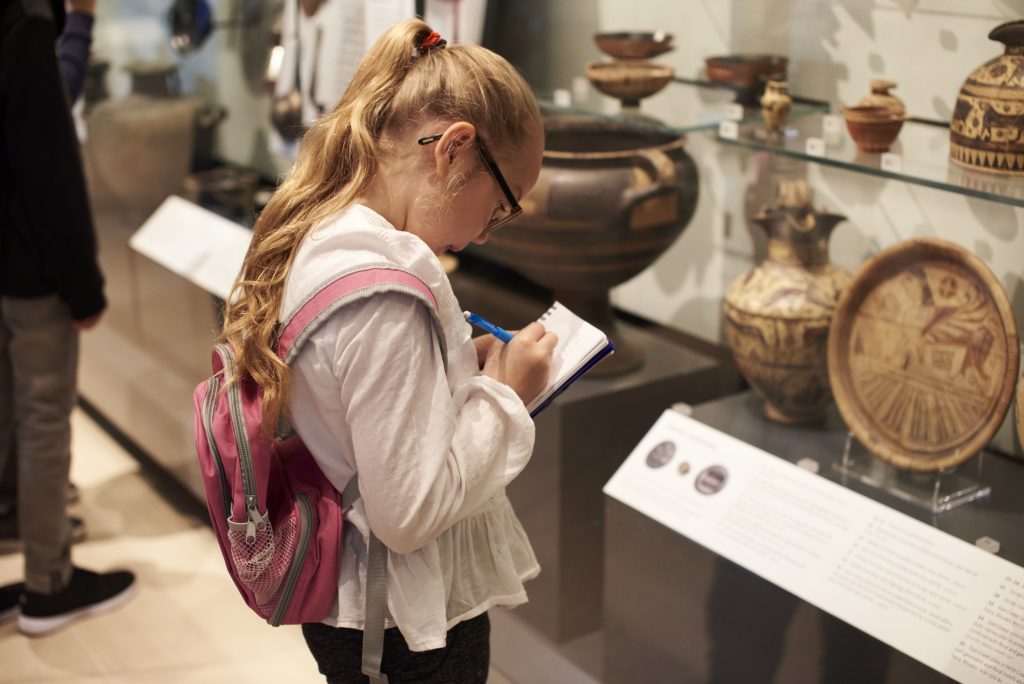
Homeschooling offers something special: flexibility. That flexibility opens the door for learning that doesn’t feel like “school” at all—hands-on experiences, community connections, and field trips that bring lessons to life.
At Excelsior Academy, we love helping homeschool families find fun, enriching opportunities that build curiosity, friendships, and confidence. Whether you’re schooling at home full-time or looking for supplemental programs, here are field trip ideas and activity categories that homeschoolers consistently enjoy—and that parents can actually plan without stress.
Why field trips matter (beyond the fun)
Field trips and group activities give homeschoolers:
- Real-world learning: kids connect concepts to real places and people.
- Social growth: friendships form naturally around shared experiences.
- Motivation: a great outing can spark weeks of interest-driven reading, writing, and projects.
- Family memories: learning together is often the best part.
1) Local history and culture adventures
These trips are easy to plan, usually affordable, and perfect for a wide range of ages.
Examples:
- historic homes and local heritage sites
- museums (history, art, military, children’s museums)
- cultural festivals or heritage days
- walking tours in a downtown district
Make it educational (without killing the fun):
- ask each child to find 3 interesting facts and share at lunch
- take photos and create a “mini museum” at home afterward
- have older students write a one-page “what surprised me” reflection
2) Science in the real world
STEM field trips are some of the most memorable because kids get to touch, test, and explore.
Examples:
- science centers and planetariums
- aquarium or zoo “behind-the-scenes” programs
- nature centers with ranger-led lessons
- caves, rock/mineral exhibits, or geology walks
- weather stations, greenhouses, or water treatment facilities
Bonus idea: Pair the trip with a simple at-home extension:
- younger students: draw and label what they saw
- older students: short research + presentation to family or co-op
3) Farm days and outdoor education
These trips are consistently homeschool favorites—fresh air, movement, and hands-on learning.
Examples:
- farms (dairy, produce, orchards, pumpkin patches)
- pick-your-own farms by season
- wildlife refuges and birding trails
- guided hikes with local naturalists
- creek studies or “habitat hunts” at a park
Pro tip for parents: Plan for movement first, then “sit still” activities after. Kids focus better when they’ve burned energy.
4) Fine arts and performing arts experiences
Art isn’t just enrichment—it’s communication, observation, and creativity.
Examples:
- children’s theater or matinee performances
- symphony open rehearsals or youth concerts
- local art studios (pottery, painting, photography)
- community gallery tours with a scavenger list (“find a landscape,” “find a portrait,” etc.)
Easy follow-up: Have kids create something inspired by what they saw.
5) Career exploration and “how it’s made” trips
Homeschoolers thrive when they can see how learning connects to real jobs.
Examples:
- fire station / EMS tours
- post office, bakery, or print shop tours
- local businesses with owners willing to host a small group
- trades demonstrations (carpentry, welding, mechanics)
- a “career day” meetup where parents share what they do
For middle/high school students: Encourage a short Q&A with an adult host:
- What skills matter most in your job?
- What do you wish you learned earlier?
- What does a typical day look like?
6) Community service that feels like an adventure
Service projects help homeschoolers build empathy and leadership—and they’re often fun when done as a group.
Examples:
- park cleanups
- food pantry sorting days (age-appropriate shifts)
- making cards for nursing homes
- assembling “blessing bags” for community outreach
- supply drives tied to a meaningful cause
Keep it positive: Choose projects where kids can see the impact quickly.
7) “Just for fun” days that still build skills
Not every outing needs a formal learning goal. Fun matters—and it often builds important life skills.
Examples:
- skating, bowling, trampoline parks
- hiking + picnic days
- homeschool game days or book swaps
- maker-space visits
- library events and reading challenges
- sports clinics or group PE meetups
These build confidence, teamwork, communication, and healthy routines—without feeling like school.
How to make homeschool field trips easy
Here are a few simple strategies families love:
- Keep groups manageable: smaller groups are easier to coordinate and safer.
- Use a simple RSVP system: even a basic sign-up sheet helps.
- Plan in seasons: schedule 1–2 outings per month rather than cramming.
- Choose “evergreen” locations: parks, museums, and nature centers work year-round.
- Create a go-to packing list: water, snack, notebook, weather gear, and a portable charger.
A simple field trip framework (works every time)
If you want a repeatable formula:
- Preview (5 minutes): What are we going to see?
- Explore (the trip): Let curiosity lead.
- Reflect (10 minutes): “Top 3 things I noticed.”
- Create (optional): Drawing, short write-up, or show-and-tell.
That’s it. No pressure—just meaningful learning.
How Excelsior Academy supports homeschool families
Excelsior Academy is a homeschool resource center that offers teacher-led classes for pre-K to high school seniors. We provide quality academics and foster relationships in and out of the classroom. We believe homeschoolers thrive with the right blend of structure, community, and opportunities to learn beyond the home. Field trips and group activities are a great way to build friendships and enrich learning, especially when they’re easy to join and welcoming to families.